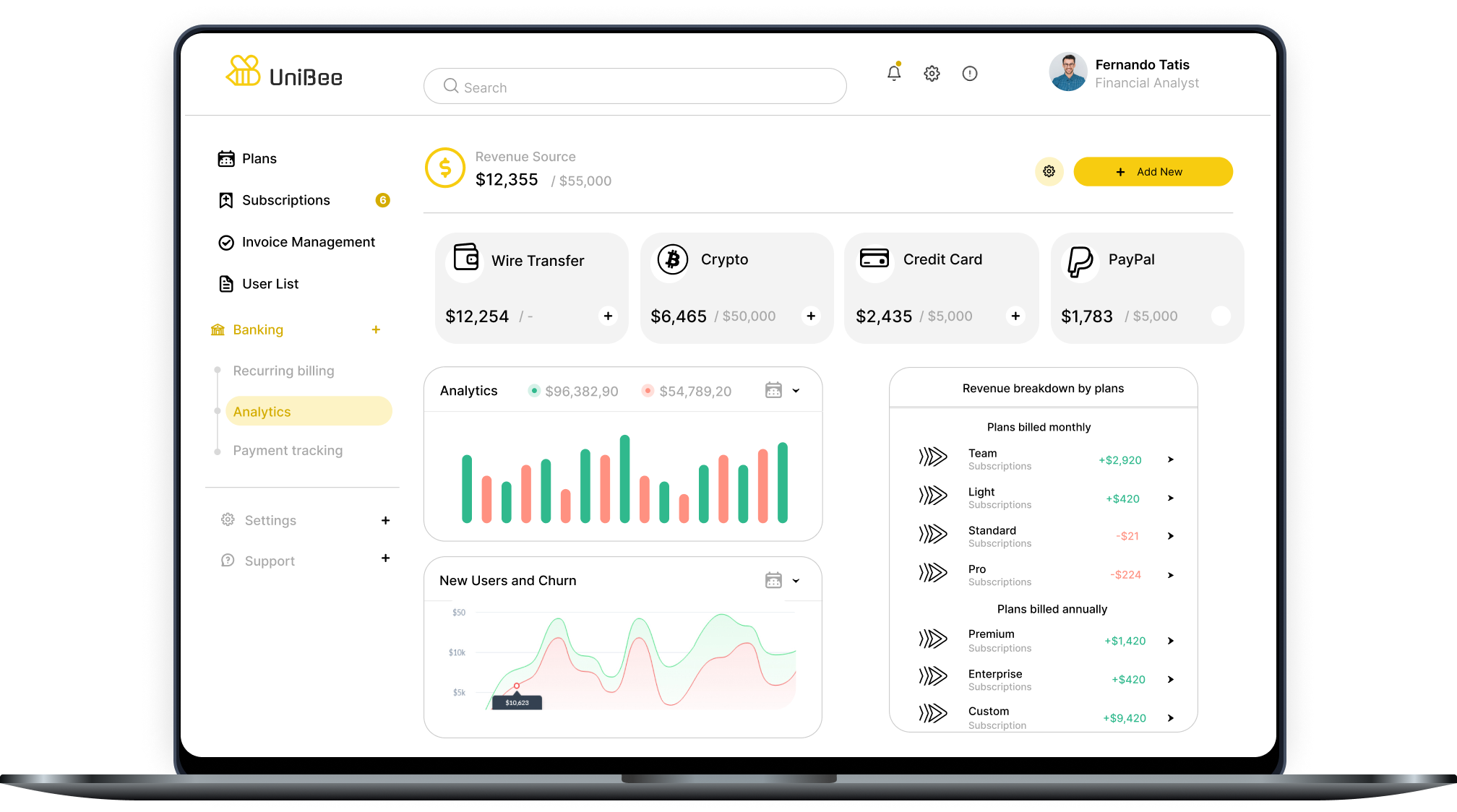
Open-source billing has become a preferred choice for businesses looking for flexibility, scalability, and cost efficiency in their billing operations. Unlike proprietary platforms, open-source solutions allow companies to modify and extend their billing systems without vendor restrictions. This level of control is especially valuable for businesses managing recurring payments, subscriptions, or usage-based pricing models, where adaptability is key to long-term success.
One of the biggest advantages of open-source billing is cost reduction. Many proprietary solutions come with high licensing fees and limited scalability, making it difficult for businesses to expand without incurring additional expenses. Open-source alternatives eliminate these restrictions, providing a cost-effective way to customize billing workflows, integrate new features, and automate processes without significant overhead.
Security is another factor driving businesses toward open-source billing. Having access to the source code enables companies to implement their own security measures, ensuring compliance with industry regulations and protecting sensitive financial data. Businesses can customize fraud prevention protocols, enhance data encryption, and integrate with third-party security solutions to align with their specific requirements.
Beyond security, open-source billing benefits from continuous innovation. A global community of developers contributes to platform improvements, offering regular updates, new features, and security patches. This ensures that businesses using open-source billing systems stay ahead of technological advancements without depending on a single vendor for support or upgrades.
However, when choosing a billing system, businesses must evaluate whether an open-source or proprietary solution best aligns with their needs. Each option has its own advantages, from full customization and cost savings to dedicated customer support and built-in compliance tools. Understanding these differences is crucial when selecting a subscription billing system. For a detailed comparison, this guide on open-source or paid subscription billing solutions explores the key considerations to help businesses make an informed decision.
The ability to customize and scale a billing system is essential for businesses looking to optimize revenue management. Open-source solutions provide the flexibility needed to adjust pricing models, streamline subscription processes, and integrate with other financial tools. As companies grow, having a billing system that evolves alongside their needs ensures long-term efficiency and financial stability.