Usage-based pricing means charging clients for the services they actually use, instead of a fixed subscription fee. It’s also known as pay-as-you-go or consumption-based pricing, and it’s quickly becoming standard for Software as a Service (SaaS) firms, cloud platforms, and Application Programming Interfaces (APIs).
With this method, people only pay for what they use. Unlike standard plans where customers might pay too much for unused resources, usage-based pricing links cost to the real value they receive. For SaaS businesses, this can lead to better customer retention, lower churn rates, and more scalable income.
In 2023, OpenView Partners stated that over 61% of SaaS companies have taken on some kind of usage-based pricing, and that number is still going up. It’s more than just a fad, it’s a smart business move.
Why Usage-Based Pricing Is a Good Choice for SaaS firms
Moving from set pricing to usage-based billing gives SaaS companies a clearer and more profitable system. It helps both the company and the client by encouraging more product use and making costs predictable.
Usage-based pricing tech makes it possible to track in real time, send invoices automatically, and set up flexible pricing models. This cuts down on administrative work and makes customers happier.
Big SaaS platforms such as Snowflake, Twilio, and Amazon Web Services (AWS) have demonstrated that usage-based models can lead to major expansion. Their clients appreciate the fairness, and their internal teams benefit from consistent, recurring income that grows with client demands.
Here are Key Benefits
Some businesses are unsure about switching because they think the billing system is complicated. Luckily, tools such as UniBee’s usage-based pricing software makes this change simpler. Here’s how:
Income Increases with Client Value
Traditional subscriptions limit the chance to upsell. Usage-based pricing enables customers to grow naturally, paying more as they get more value from your product. This results in natural income growth without needing to be pushy with sales.
Think of it this way: a customer who starts with a small project might only use a few resources at first. But as their project grows, they’ll naturally use more, and their bill will increase accordingly. You didn’t have to convince them to upgrade, and they’re happy to pay because they’re getting direct value from the increase in usage.
Personalized and Affordable Pricing
These days, customers want options. With usage-based pricing, you can make plans that fit them, mixing flat fees with variable rates, discounts, and usage amounts. It’s pricing that is based on how the customer uses your product.
Consider a company that uses a cloud storage service. They might have a base plan with a set amount of storage and then pay extra for any additional storage they use. Or you can offer discounts for businesses that use a lot of resources or specific features.
Clear Billing Builds Trust
When customers can see exactly how their bill is calculated, based on their usage, they’re less likely to leave. Clear pricing means stronger relationships.
Imagine getting a bill that just says Service Fee: $500 without any information about how that number was reached. You’d probably be a little suspicious, right? But if you see a detailed breakdown of exactly what you used and how much each unit cost, you’re much more likely to trust that the bill is accurate.
Better Work Through Automation
Modern software makes consumption tracking, charge calculations, invoicing, and tax compliance automatic. Your team can focus on growing the business instead of doing busywork.
Instead of someone manually tracking usage and creating invoices, the software does it all automatically. This saves time, reduces errors, and frees up your team to work on more strategic tasks.
Improved Forecasting and Planning
Even though usage can vary, with good analytics, you can see patterns, seasonal changes, and important usage habits. This makes financial forecasting more predictable.
By looking at usage trends, you can predict future demand and adjust resources accordingly. You can see when usage is likely to spike and make sure you have enough capacity to handle it. This data can help you make better decisions about staffing, infrastructure, and marketing.
Who Should Use Usage-Based Pricing?
Not all SaaS products are ideal for usage-based billing—but many are. If your value delivery is tied to metrics like API calls, storage, compute time, emails sent, or number of users, usage-based pricing can be a perfect fit.
Companies using models such as:
- Pay-per-use
- Pay-per-seat
- Metered services
- Hybrid pricing (fixed + variable)
…are already reaping the rewards.
From infrastructure services to B2B SaaS, the model suits businesses where usage patterns vary across customers, and consumption is measurable.
Flat-Rate vs Usage-Based Pricing
| Feature |
Flat-Rate Pricing |
Usage-Based Pricing (UBP) |
| Customer Flexibility |
Low |
High |
| Revenue Scalability |
Limited |
Dynamic |
| Billing Complexity |
Simple |
Moderate (but automatable) |
| Alignment with Value Delivered |
Often misaligned |
Strong alignment |
| Adoption in SaaS |
Declining |
Increasing |
| Example Company |
Basecamp |
Snowflake, Twilio |
As you can see, while flat-rate pricing is easier to implement, usage-based models offer superior customer alignment and revenue potential when powered by the right tools.
How UniBee Powers Usage-Based Pricing
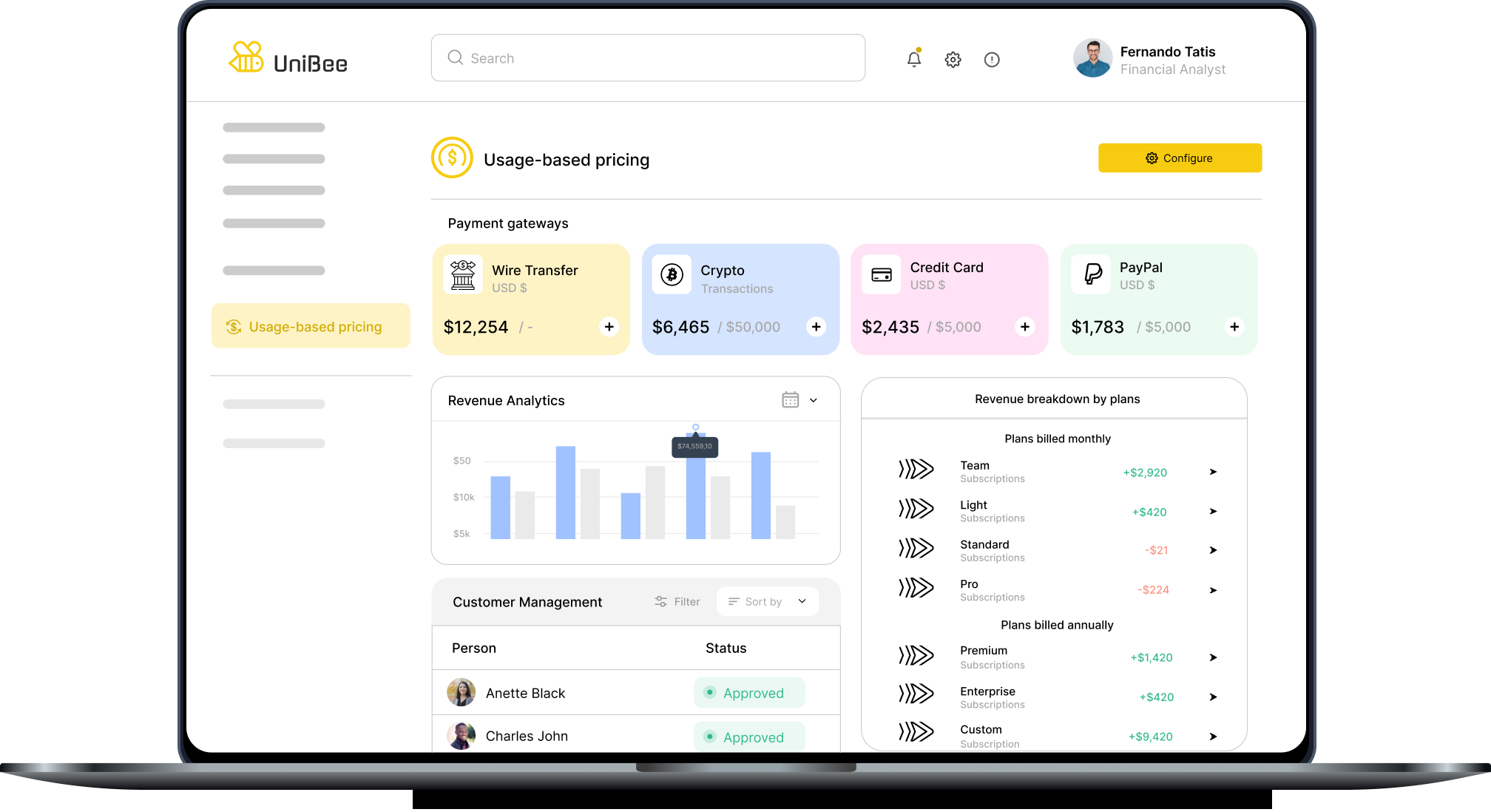
UniBee is a full-featured, usage-based pricing solution for SaaS companies. It connects smoothly with your current billing and product systems. Whether you’re a startup or a big company, UniBee is built to work for you.
Here’s what you can do with UniBee:
Keep tabs on usage from any product or service as it happens.
Create different pricing setups like per-unit, tiered, volume-based, or a mix of these.
Automatically take care of billing and invoicing so payments are correct and on time.
Provide pricing choices that fit what different groups of customers need.
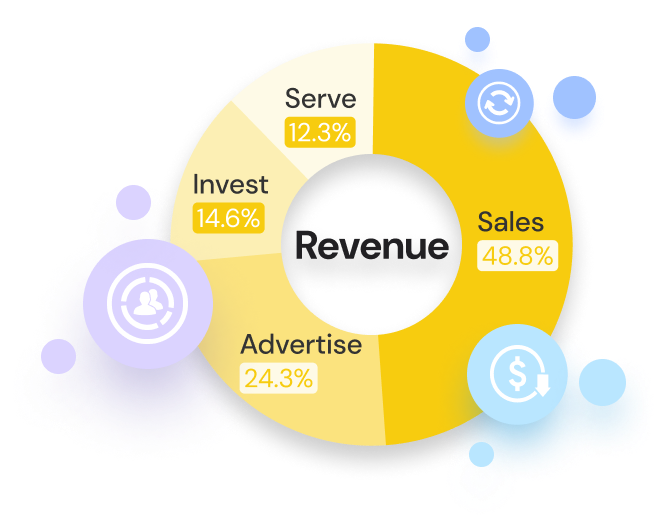
Watch revenue data with dashboards and get useful insights.
Link with CRM, ERP, and payment systems.
If you’re starting a fresh SaaS product or updating an older billing setup, UniBee gives you what you need to make it work.
How Usage-Based Pricing Works
Let’s consider how a file conversion API service employs this approach.
Basic: For infrequent use, it’s $0.01 for each conversion, up to 10,000 monthly.
Pro: Those who convert between 10,001 and 100,000 files pay $0.007 each.
Enterprise: High-volume users get custom pricing.
The company uses UniBee to track usage, set prices, and send bills automatically depending on how many files each user converts. Customers can see exactly what they’re paying for, which builds confidence and satisfaction.
This flexibility helps businesses stay ahead in competitive markets.
Usage-Based Pricing: A Simple Workflow
Here’s a look at how usage-based pricing operates inside a SaaS billing system:
A customer uses a service. The system tracks that usage. Pricing rules are put in place. An invoice is made. The customer pays. The company records the revenue.
UniBee automates this from beginning to end, which means less manual work and steadier cash flow.
Get Started with UniBee Now
Usage-based pricing is more than just a trend, it’s a path to growth that puts customers first. With UniBee’s software, you can confidently start, manage, and grow your usage-based pricing while running things efficiently and keeping customers pleased.
The direction of SaaS pricing is toward real-time, data-driven, and usage-focused methods. Let UniBee guide you in building it.