In the subscription-based business environment, traditional accounting practices often fall short. SaaS revenue management is a specialized approach that goes beyond basic invoicing. It’s about handling dynamic pricing, automating revenue recognition, and getting a clear view of your business data in real time. When you’re managing many customers across different plans and regions, keeping track of revenue becomes challenging.
That’s where specialized revenue management software for SaaS companies comes in handy. It helps you handle every dollar earned accurately, in compliance with accounting rules, and at scale. Whether you’re a new startup or a well-known SaaS provider, a reliable system for SaaS revenue can make a huge impact.
Key Aspects of SaaS Revenue Management
Let’s explore the main elements of SaaS revenue management:
-
Automated Billing Made for Subscriptions
SaaS businesses depend on recurring subscriptions. This means managing monthly, quarterly, or annual charges, discounts, renewals, and prorated amounts.
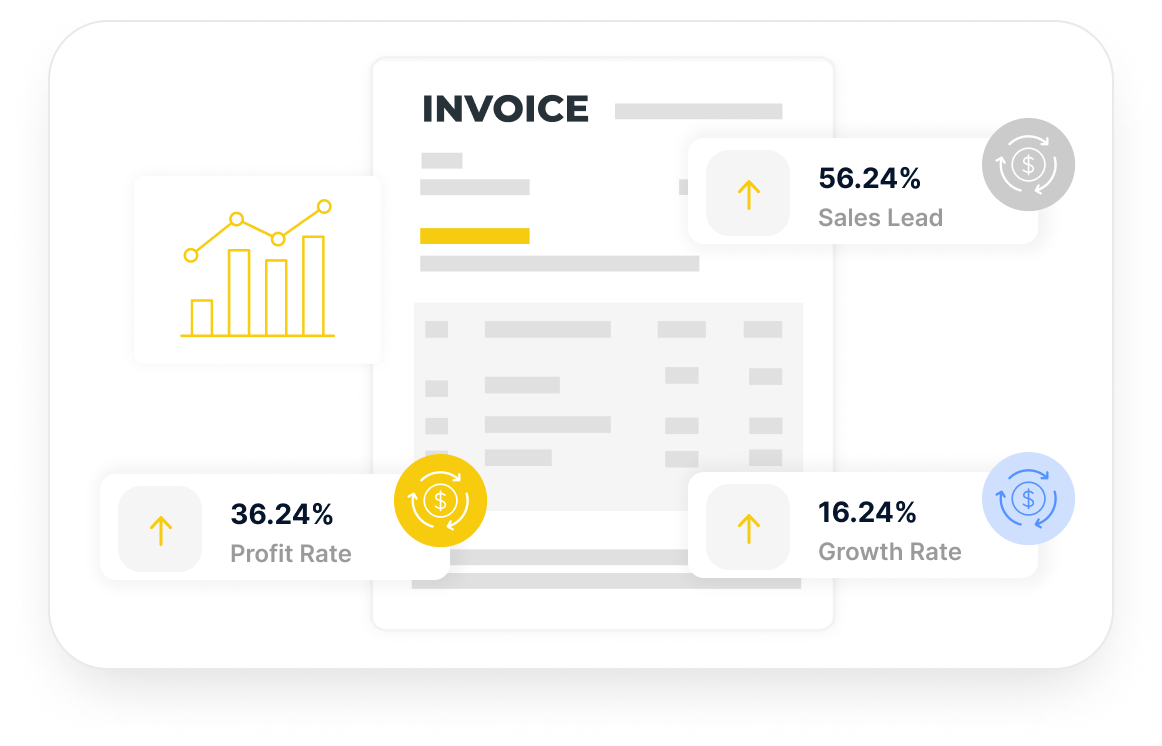
With UniBee, companies can control billing operations with ease. Our system is flexible, adjusting to different product tiers, pricing models, and custom contract terms. It also syncs all transactions with your accounting software. This not only reduces mistakes but also keeps your revenue data ready for audits.
-
Compliant Revenue Recognition
Correctly recognizing revenue is a difficult issue in SaaS accounting. It calls for accuracy and compliance with accounting standards.
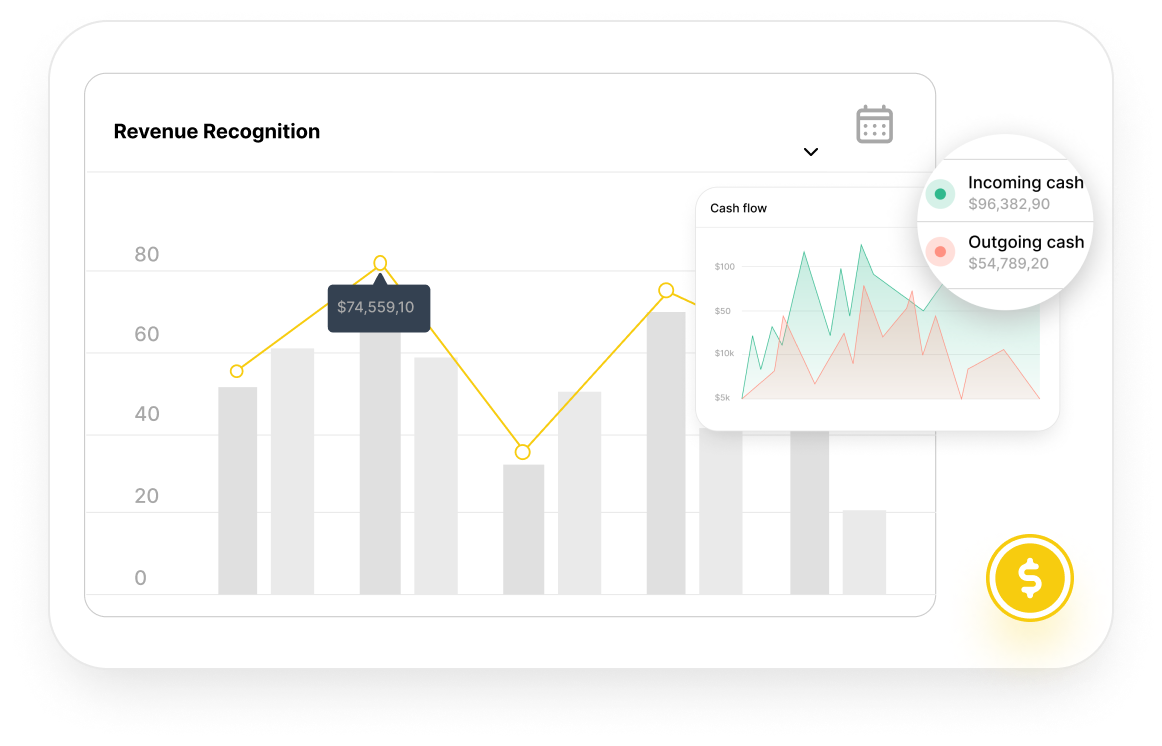
A reliable SaaS revenue management system automatically tracks and assigns revenue based on milestones, usage, or time. This makes sure your financial data is correct and compliant, reducing the need for spreadsheets and constant communication with finance teams.
-
Flexible Pricing for Growth
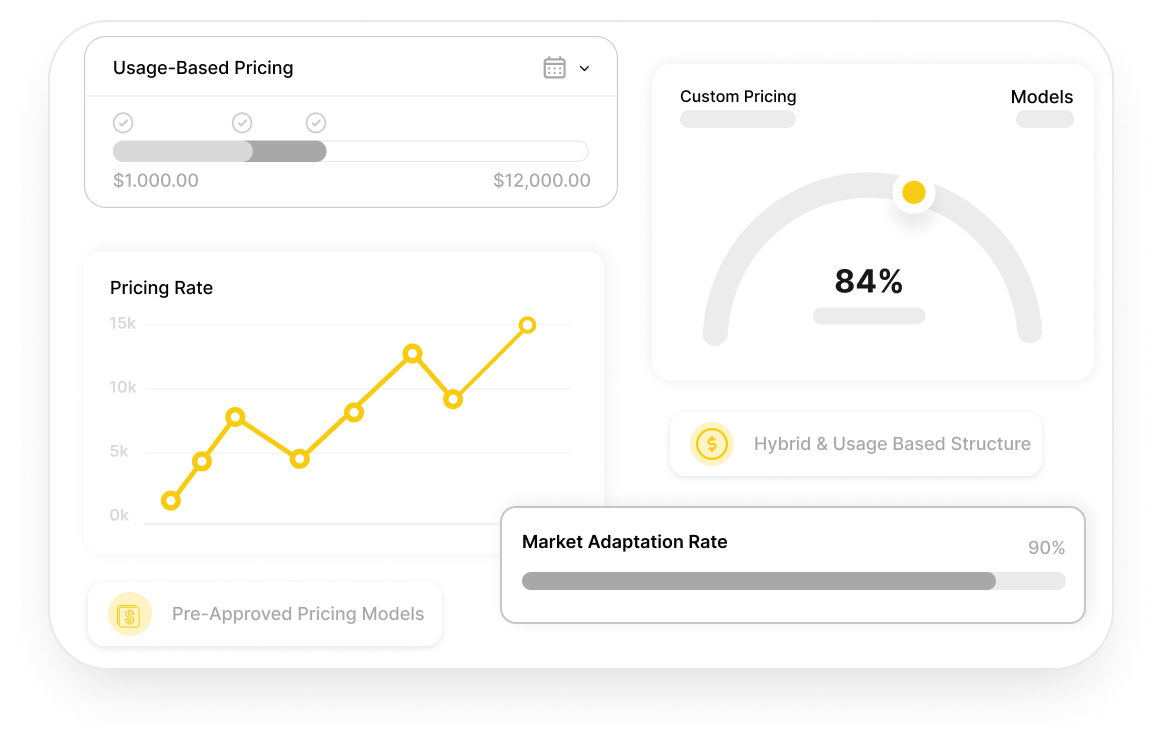
In a market where there’s lots of competition, pricing has to be flexible. Whether you’re trying out usage-based, value-based, or tiered pricing, a good system should support these approaches.
UniBee gives you easy-to-use tools to test pricing strategies without needing help from engineers or risking problems with your billing setup. This flexibility helps SaaS companies move faster, serve customers better, and open up possibilities for consistent income.
Advantages of Revenue Management Software for SaaS
A well-designed revenue management system encourages teamwork across sales, finance, and customer service teams. Here’s what it makes possible:
Clear Understanding of the Revenue Process: Get a clear overview from initial price quote to cash collection. Know exactly where every dollar comes from and where it’s going.
Improved Customer Experience: Automate renewals, inform customers of payment issues, and provide transparent billing that builds trust.
Real-Time Data for Better Decisions: Identify customer cancellations or plan upgrade patterns with useful information about each customer.
Stress-Free Compliance: Remove uncertainty from revenue recognition and accounting. Create reports that auditors will find easy to review.
How SaaS Revenue Management Drives Business Growth
As your business expands, managing revenue by hand becomes difficult. You might introduce new products, experiment with different prices, grow internationally, and take on enterprise clients, each with unique billing requirements. Without the right system, mistakes and problems increase.
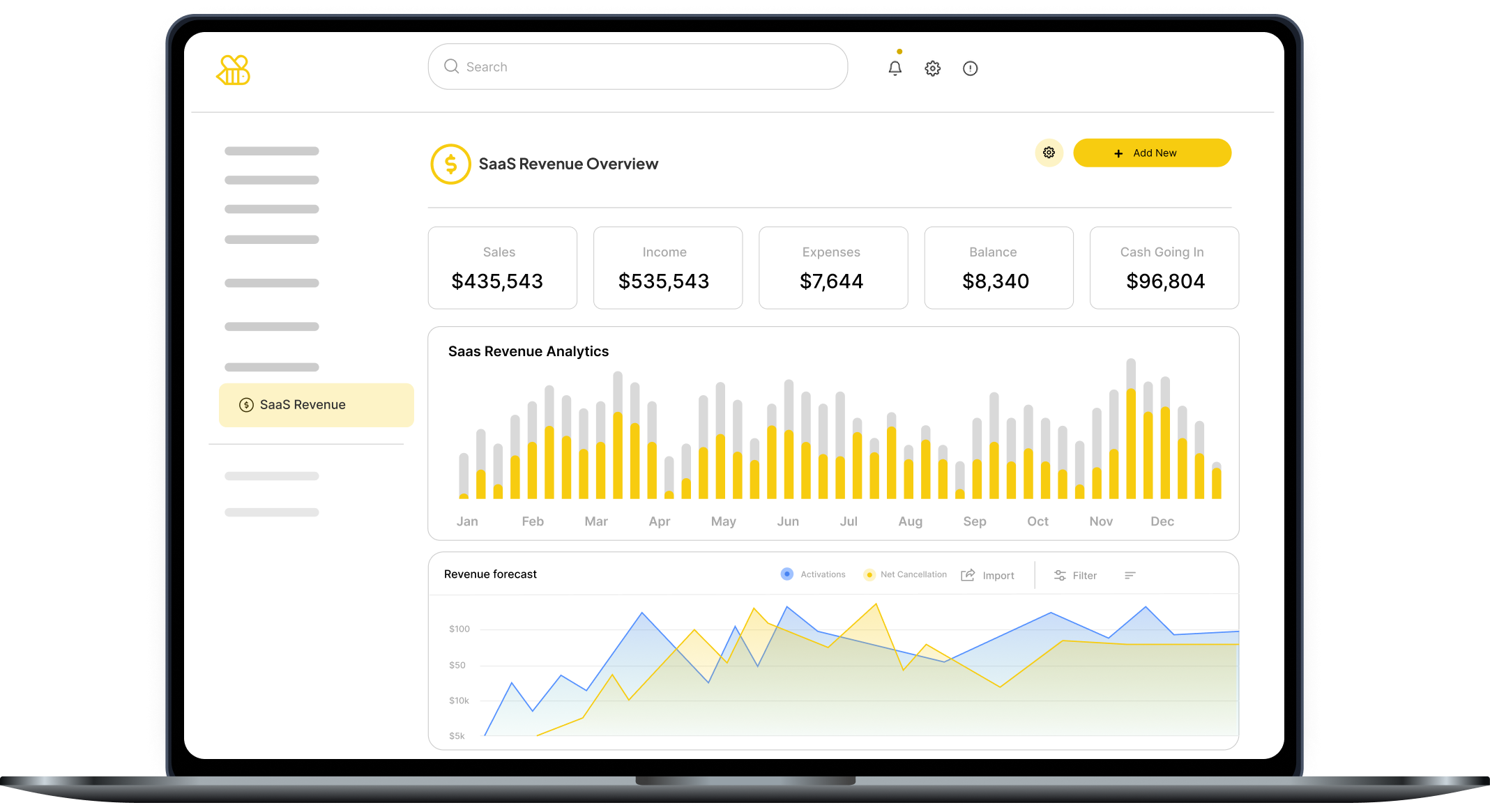
SaaS revenue management software makes this easier. It provides one place to handle subscriptions, recurring fees, income recognition, and financial reports. This gives your team time to concentrate on what’s most important: pleasing customers, improving your product, and planning for the future.
Who Should Use SaaS Revenue Management?
Whether you’re a new company or growing quickly, here are some signs that indicate you could use a better revenue system:
- Spending too much time with spreadsheets to figure out revenue recognition.
- Customers get confused by their bills.
- Expanding into new markets and need prices that include local sales taxes.
- Manual processes delay your data reporting.
- Struggling to connect CRM, billing, and accounting software.
If those statements are true for your company, it’s time to consider UniBee.
Revenue Management vs. Billing Software: What’s the Difference?
Some SaaS companies think their regular billing tool is enough. However, while billing is about sending invoices and taking payments, revenue management is a broader concept.
This involves forecasting, pricing strategies, contract management, compliant income recognization, and deep customer examination. A billing tool sends invoices, but a revenue system helps you grow a stronger business.
Why Choose UniBee for SaaS Revenue Management?
At UniBee, we’ve built our system to handle the specific needs of SaaS businesses. With automation, clear data reporting in real-time, flexible plan management, and built-in compliance features, our system supports your revenue operations.
Whether you’re managing many subscriptions, testing prices, or getting ready for funding, UniBee helps you work with confidence.
Are You Ready to Improve Your SaaS Revenue Management?
Join other successful SaaS teams that are using UniBee to change how they handle revenue. Automate billing, simplify revenue recognition, and use data-driven observations to ensure business clarity.
Request a Demo to understand how UniBee assists your SaaS business in growing without unnecessary challenges.