Effective revenue management is crucial for sustainable business growth. Advanced software solutions have become essential tools for companies aiming to optimize their financial performance and stay ahead of the curve. These systems provide a comprehensive approach to understanding and predicting customer behavior, market trends, and competitive landscapes. By utilizing advanced analytics, they offer insights that would be impossible to obtain manually. Dynamic pricing strategies are a key feature of these tools. They continuously analyze market demand, competitor pricing, and customer willingness to pay, allowing businesses to set optimal prices in real-time. This capability is particularly valuable for industries with perishable inventory or fluctuating demand, such as hospitality and e-commerce.
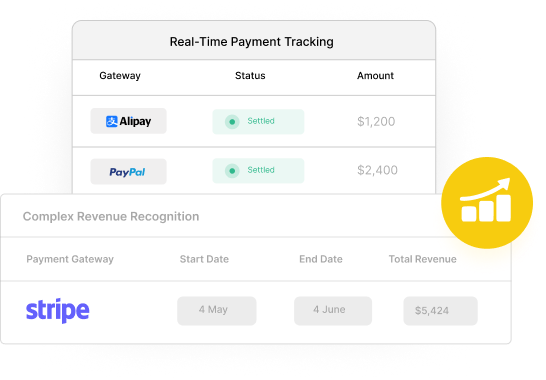
Accurate forecasting is another critical component. These systems use complex algorithms to analyze historical data and market trends, producing precise revenue projections. This enables informed decisions about resource allocation and strategic planning. For businesses with intricate revenue recognition requirements, automation simplifies processes and ensures compliance with accounting standards. This not only saves time but also reduces the risk of errors and audit issues. Integration capabilities allow these systems to connect with other business tools, providing a holistic view of operations. This enables more informed decision-making across departments and improves overall efficiency.
Effective customer segmentation is another advantage. By analyzing behavior and purchasing patterns, businesses can tailor offerings to specific segments, maximizing revenue from each group. Intelligent revenue management systems are strategic assets that drive growth and competitive advantage. They provide data-driven insights, automate complex processes, and enable dynamic strategies, empowering businesses to optimize revenue streams and adapt to changing market conditions.