

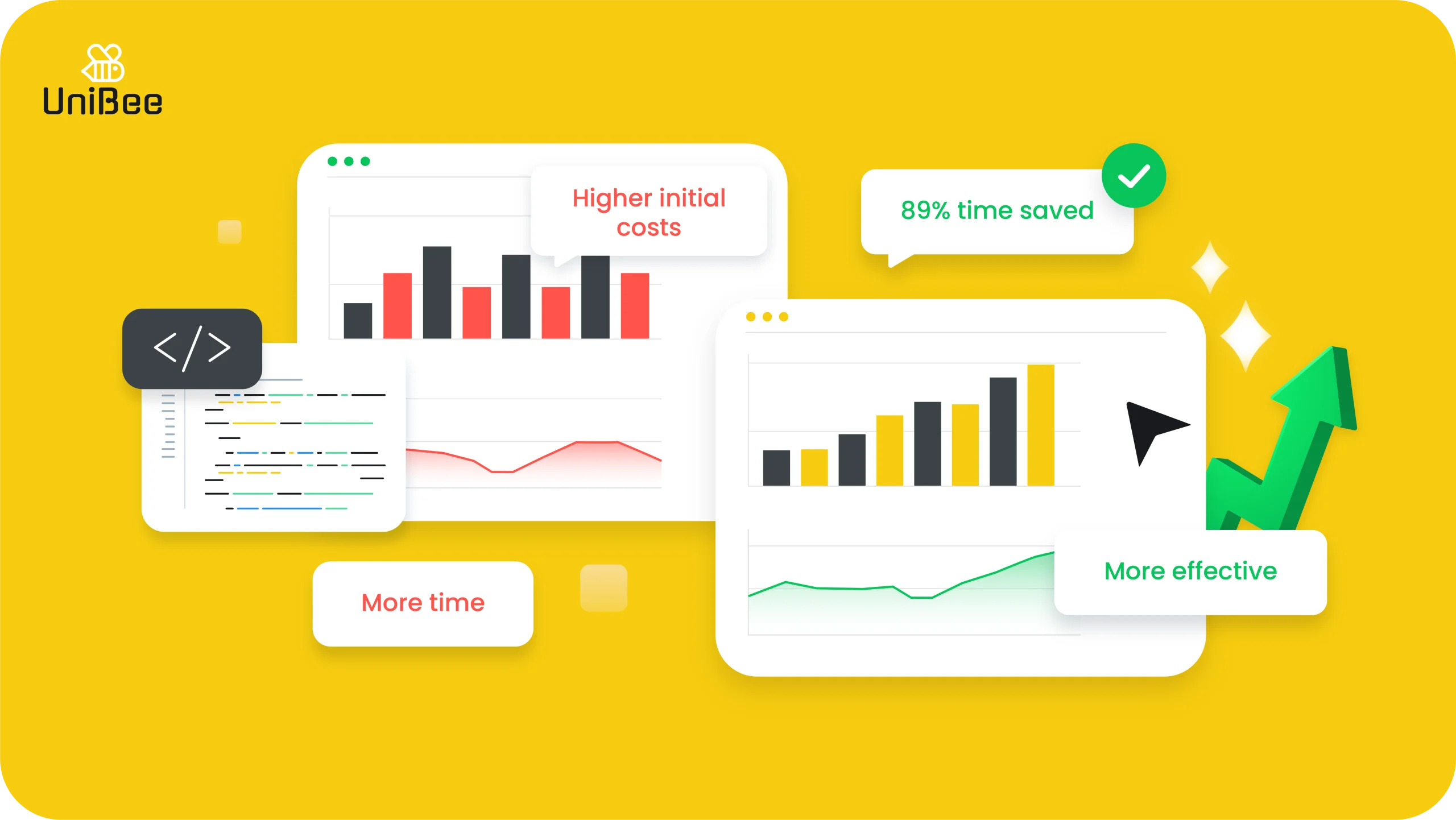
In the realm of SaaS businesses, a subscription billing solution stands as a cornerstone for operational efficiency and revenue management. Choosing between building a custom system or purchasing a pre-built subscription billing platform can profoundly impact your company’s scalability and long-term success. While both options have distinct advantages and drawbacks, the right decision hinges on your organization’s unique needs, available resources, and strategic vision.
This comprehensive guide explores the critical factors to evaluate when deciding whether to build or buy a subscription billing solution, helping you make an informed choice that aligns with your goals.
Contents
The Case for Building Your Own Subscription Billing Solution
Building a custom subscription billing software offers unparalleled control and flexibility for businesses with highly specific needs or a desire for complete autonomy. Here’s why some companies opt for this route:
Tailored Customization for Unique Needs
Developing an in-house system allows you to design every component to align perfectly with your operational workflows. Whether you need to support intricate pricing tiers, advanced billing cycles, or unique subscription models, a custom solution ensures every detail reflects your business requirements.
Full Autonomy and Control
Building your own platform provides unmatched control over every feature and function. You can modify and enhance the system as your business evolves, ensuring it adapts seamlessly to changing customer demands or market conditions without relying on external vendors.
Scalability Aligned with Growth
Custom solutions can be designed with scalability in mind, allowing them to expand alongside your customer base. As your operations grow, your system can evolve to handle increased complexity, ensuring consistent performance and reliability.
Challenges of Building a Custom Solution
While the benefits of a custom subscription billing solution are significant, the journey to develop and maintain one is not without hurdles. Below are some critical challenges to consider:
High Resource Demands
Building a custom platform requires a substantial commitment of resources, including skilled developers, significant budgets, and dedicated time. These investments could be redirected toward core business activities, such as product innovation or market expansion.
Complexity of Subscription Billing
Subscription billing involves managing various elements, such as metered usage, tiered pricing, and discounts. Developing a system that seamlessly handles these complexities is a daunting task, and unforeseen issues can lead to additional costs and delays.
Continuous Maintenance and Upgrades
Once the system is operational, it requires ongoing updates, compliance checks, and security enhancements. These maintenance efforts demand a dedicated team to ensure the platform remains functional and secure, potentially diverting focus from strategic initiatives.
The Case for Buying a Subscription Billing Solution
For businesses seeking efficiency, reliability, and rapid deployment, purchasing a pre-built subscription billing solution can be an attractive option. Here’s why:
Cost Efficiency Over Time
While a pre-built platform involves upfront licensing fees, it often proves more cost-effective in the long run. By avoiding the expense of development, testing, and ongoing maintenance, businesses can allocate their resources to growth-focused activities.
Quick Implementation and Market Readiness
Off-the-shelf solutions are designed for swift deployment, enabling businesses to start billing customers with minimal delay. This is especially valuable for startups or companies aiming to scale quickly.
Access to Expertise and Industry Standards
Pre-built platforms are developed by teams with extensive knowledge of subscription billing. These systems are typically optimized for compliance with industry regulations, reducing the risk of errors and ensuring your operations remain legally sound.
Challenges of Buying a Subscription Billing Solution
While pre-built solutions offer numerous advantages, they also come with certain limitations that businesses should weigh carefully:
Limited Customization Options
Although many platforms offer configurable features, they may not provide the same level of customization as a bespoke system. Businesses with highly specific requirements might find these limitations restrictive.
Dependence on Vendors
Purchasing a solution means entrusting your billing operations to an external provider. If the vendor’s priorities shift or their updates don’t align with your needs, it could impact your operations.
Potential Misalignment with Billing Models
Some pre-built solutions use pricing structures that might not perfectly match your business model, such as per-user or usage-based fees. Adapting to these models could introduce inefficiencies or additional costs.
Key Considerations When Deciding
Before committing to either building or buying a subscription billing solution, it’s essential to evaluate the following factors:
- Business Needs and Complexity: Assess the intricacies of your billing requirements. Complex operations may necessitate a custom solution, while standard needs can often be met by pre-built platforms.
- Budget and Resources: Determine your financial and human resource capacity. Custom solutions demand significant investment, whereas pre-built platforms involve predictable costs.
- Time to Market: Consider your timeline for implementation. If rapid deployment is crucial, a pre-built solution is likely the better choice.
- Scalability Requirements: Evaluate your growth projections and ensure your chosen solution can accommodate future expansion.
- Compliance and Security: Ensure the solution adheres to regulatory standards and provides robust data security measures.
Conclusion: Choosing the Right Path
The decision to build or buy a subscription billing solution ultimately depends on your business’s unique needs, resources, and objectives. Building a custom system offers unparalleled control and flexibility, but it requires significant investment and ongoing maintenance. On the other hand, purchasing a pre-built solution provides cost efficiency, rapid deployment, and access to expert support, though it may come with limitations in customization and vendor dependency.
For businesses seeking a reliable and efficient subscription billing solution, UniBee offers advanced tools designed to streamline your operations and support growth. With UniBee, the undeniably right choice is to buy the solution. We offer flexibility and customization, quick integration and the whole toolkit for effective subscription billing.
FAQ
What is the role of analytics in subscription billing solutions?
Analytics tools provide insights into customer behavior, revenue trends, and churn rates, helping businesses make data-driven decisions to optimize pricing and customer retention strategies.
Can subscription billing solutions integrate with other business tools?
Yes, most modern platforms support integrations with CRMs, accounting software, and payment gateways to create a seamless operational workflow.
What is dunning management, and why is it important?
Dunning management refers to the process of handling failed payments. Effective systems automate retries and customer notifications to reduce revenue loss from declined transactions.
How do subscription billing systems handle international customers?
Advanced platforms support multi-currency transactions, localized invoicing, and compliance with international tax regulations like VAT and GST.
Are there AI-driven features in subscription billing solutions?
Many solutions now incorporate AI to predict customer behavior, optimize pricing strategies, and identify potential churn risks before they become critical.